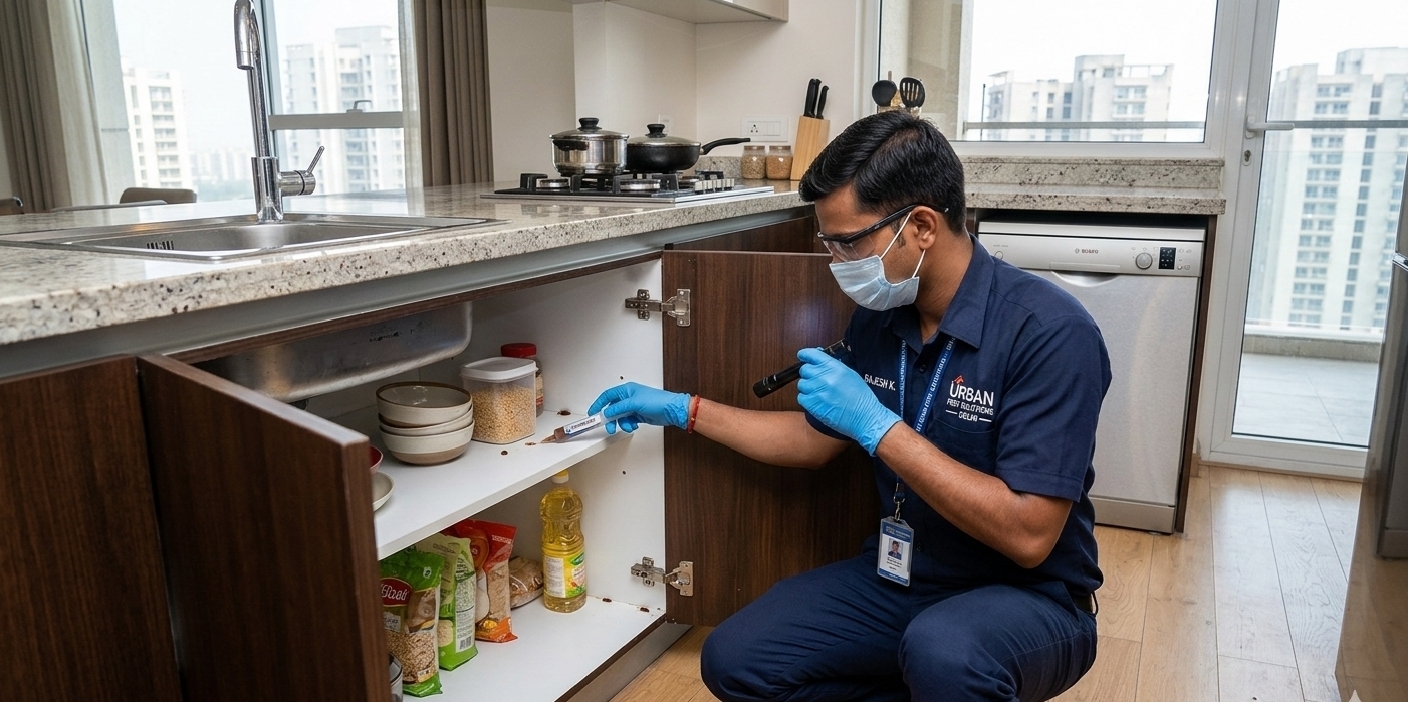
Pest Control in Nahan
Nahan, the district headquarters of Sirmaur, sits between the Shivalik hills and the plains, blending old royal-era buildings, busy market streets, residential colonies, schools, and government offices. Unlike high-altitude towns, Nahan experiences warmer summers, humid monsoons, and mild winters. Water tanks on rooftops, drainage lines along sloped roads, roadside eateries, and densely built neighbourhoods all shape how pest problems develop here.
In Nahan, pest issues are often influenced by urban drainage, seasonal humidity, and mixed residential-commercial activity rather than farmland or orchard storage.
How Nahan’s climate and layout encourage pest activity
Several local factors contribute to recurring pest pressure:
Warm summers and humid monsoon
Heat accelerates insect breeding cycles. During monsoon, moisture collects around foundations, drains, and backyards—ideal for termites, cockroaches, and mosquitoes.
Old market areas with narrow lanes
In tightly built areas, shared drainage systems and closely connected buildings allow pests to move easily between shops and homes.
Water storage practices
Overhead tanks, coolers, plant trays, and stored containers can hold stagnant water, encouraging mosquito breeding.
Mixed-use properties
Shops on ground floors with residential units above share plumbing, walls, and storage spaces, creating natural pathways for cockroaches and rodents.
These conditions mean pest management in Nahan often requires systematic monitoring rather than one-time treatment.
Where infestations usually begin in Nahan.
Pest activity often starts in service-related or damp areas:
- Behind kitchen shelves and commercial cooking equipment
- In drainage lines and plumbing shafts
- Wooden cupboards and door frames exposed to moisture.
- Storage rooms holding packaged goods.
- Basements and parking areas.
Early warning signs may include cockroaches emerging at night, rodent droppings near food storage, ants around sweet items, mosquito presence near water storage, or small holes in wooden fittings.
Termites can quietly weaken wooden doors and furniture, especially in buildings with damp walls.
Why pests spread quickly in urban neighbourhoods
In Nahan’s compact colonies and market zones:
- Cockroaches travel through shared sewer systems.
- Rodents move across rooftops and drainage paths.
- Ants expand through tiny cracks in walls.
- Termites spread underground from one building foundation to another.
- Bed bugs migrate through luggage and shared accommodation settings.
Because properties share infrastructure, untreated infestations often affect nearby units.
Properties most vulnerable in Nahan
Certain types of spaces consistently face higher pest pressure:
- Older market-area buildings
- Restaurants and roadside eateries
- Apartment complexes with shared drainage
- Hostels and rental accommodations
- Government offices with closed storage rooms
Schools, clinics, and document storage rooms may also experience silverfish and termite activity if humidity is not managed.
Common pests in Nahan and why they appear
Cockroaches
Common in warm, humid kitchens and drainage systems. They thrive where food residue and moisture are present.
Rodents
Attracted to market storage, waste disposal areas, and food supplies. They damage wiring and contaminate surfaces.
Termites
More active during humid months. They infest wooden furniture, door frames, and cupboards exposed to damp conditions.
Ants
Drawn to sugar, oil, and stored grains. Once a food source is identified, they form persistent trails.
Mosquitoes
Breed in stagnant water in tanks, coolers, and blocked drains—especially during monsoon.
Bed bugs
Found in hostels, guesthouses, and shared accommodations with frequent occupant turnover.
Silverfish
Seen in humid cupboards and document storage areas with limited ventilation.
Why surface treatments don’t solve recurring issues
In Nahan’s urban setting, pests often nest deep inside drains, basements, wooden panels, and concealed wall cavities. Surface sprays may reduce visible insects temporarily but fail to eliminate breeding and nesting sites.
Because buildings share plumbing and walls, pests can return from neighbouring properties if the root cause is not addressed systematically.
The importance of preventive pest control
Preventive pest control in Nahan focuses on structured inspection and moisture management:
- Monitoring drainage systems for cockroach and rodent activity
- Inspecting wooden fittings for early termite signs
- Sealing cracks around plumbing and foundations
- Blocking rodent access in basements and rooftops
- Eliminating stagnant water to control mosquito breeding
Regular inspection—especially before monsoon—helps reduce infestation risk.
For shops, apartments, schools, and offices, preventive pest management ensures hygiene and protects reputation.
How professional pest control supports Nahan properties
Ranga Pest Control understands Nahan’s climate patterns, urban density, and mixed-use building structures. Treatments begin with detailed inspection and focus on eliminating the source of infestation rather than only visible pests.
Services include termite control for structural protection, cockroach and ant control for kitchens and living spaces, rodent management for homes and commercial properties, mosquito control for breeding sites, bed bug treatment for sleeping areas, and silverfish control for cupboards and document storage. The approach is designed for long-term effectiveness in urban environments.
Maintaining hygiene in a growing town
In Nahan, pest issues can impact both comfort and business reputation if not handled early. Systematic pest management helps protect property, health, and daily peace of mind.
If pest problems are becoming frequent in your home, shop, office, or workplace in Nahan, professional pest control can help restore hygiene and comfort.
Contact Ranga Pest Control –
Phone: +91 9802149400
Website: www.rangapestcontrol.com
Email: [email protected]
YouTube: https://youtube.com/@rangapestcontrol