Pest Control in Khajuwala, Rajasthan – Safeguarding a Canal‑Irrigated Border Town from Seasonal Infestations. 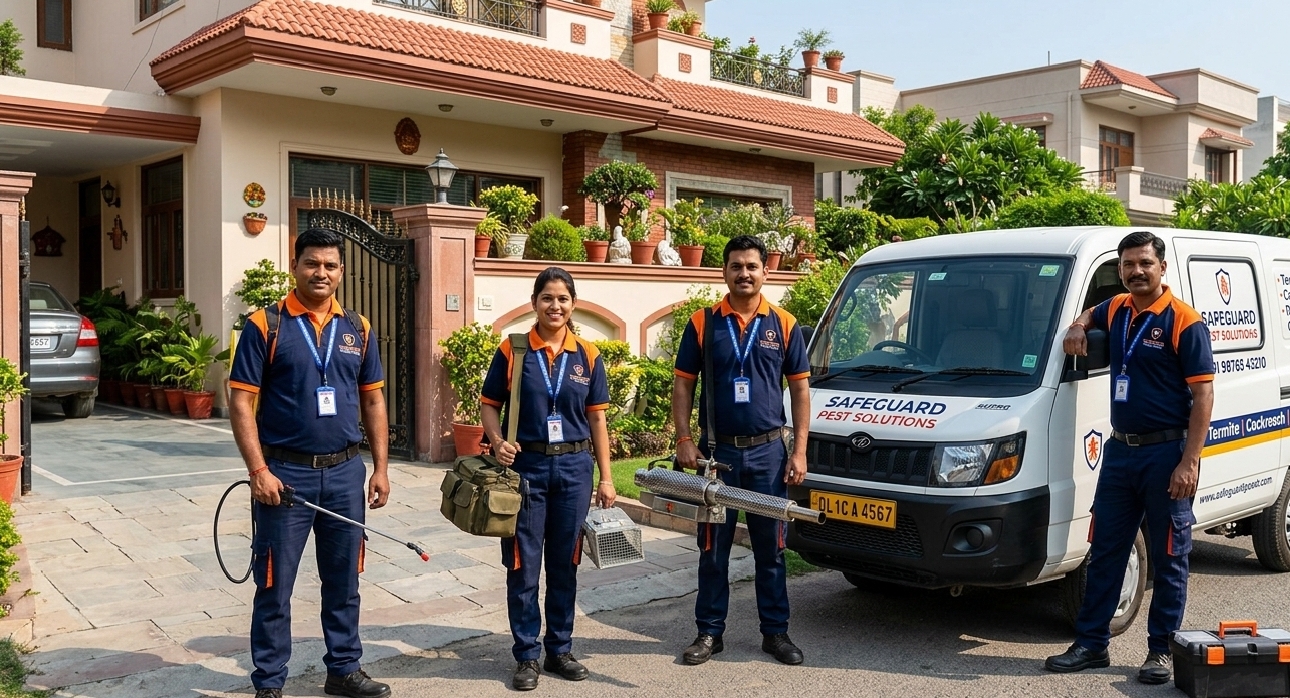
Khajuwala is a thriving town in the Bikaner district of Rajasthan located near the India–Pakistan border and uniquely positioned near fertile agricultural expanses supported by the Indira Gandhi Canal. Unlike much of the surrounding desert, Khajuwala benefits from irrigated fields, livestock farming, and vibrant market activity. While water availability fuels agriculture and livelihoods, it also creates pockets of moisture in an otherwise arid region, leading to persistent pest pressures throughout the year.
From mosquito breeding near irrigation channels to rodents targeting grain storage, pest activity in Khajuwala reflects the town’s blend of canal‑linked humidity, agricultural produce, and dense residential zones. Effective Pest Control here requires an understanding of how local geography, climate patterns, and human habits interact to create ideal pest habitats.
In this blog, we’ll explore why pest infestations are common in Khajuwala, how they start, the most frequent pests found in the area, and why a professional approach is necessary for lasting protection.
Why Pest Activity Is High in Khajuwala
Pest infestations in Khajuwala are influenced by several local conditions:
- Irrigation canals and water bodies: Standing water along canals, drains, and water tanks becomes prime breeding ground for mosquitoes.
- Agricultural abundance: Crop fields, grain storage, and fodder attract rodents and insects.
- Semi‑arid heat with humid microzones: Warm days drive pests indoors where shade and moisture linger.
- Dense markets and food vendors: Food waste attracts cockroaches, ants, and flies.
- Soil‑contact structures: Direct contact with soil makes termites and ants more likely to enter buildings.
- Open livestock and feed areas: Cattle sheds and feed storage provide habitat for flies, mites, and rodents.
These conditions make Pest Control in Khajuwala a year‑round concern for homes, businesses, and agricultural premises.
How Infestations Usually Begin in Khajuwala.
In Khajuwala, pest infestations often start quietly deep within hidden zones before becoming obvious:
- Mosquito breeding: Irrigation margins, tanks, and water logging after water releases serve as egg‑laying sites for mosquitoes.
- Rodent movement: Rats and mice follow food smell trails from warehouses, grain deposits, or kitchens into homes and shops.
- Termite colonies: Moist soil near irrigation waterways invites subterranean termites to build colonies beneath foundations and wooden elements.
- Cockroach proliferation: Warm, humid kitchen drains and food prep areas provide ideal conditions.
- Ant trails: Ants track from soil entry points toward sweets, kitchens, and food storage spaces.
Unchecked, these pests multiply quickly and can spread throughout structures, making control more complex without early intervention.
Common Pests Found in Khajuwala
Termites
Termites thrive in moist soil near canal margins and attack wooden structures, furniture, and beams.
Cockroaches.
Cockroaches flourish in kitchen areas, drains, and spots with food residues in homes and eateries.
Rodents.
Rats and mice are common throughout agricultural zones and residential areas, contaminating food and damaging property.
Mosquitoes
Stagnant water in tanks, canals, and irrigation ditches encourages mosquito breeding, especially after water flow or rainfall.
Bed Bugs
Bed bugs enter homes and guest accommodations through luggage, second‑hand furniture, or seasonal workers.
Ants
Ant infestations occur in kitchens, sweet shops, and food stalls where crumbs and sugar attract them.
Silverfish
Silverfish congregate in damp storage spaces and dark closets, feeding on paper, fabric, and organic material.
High‑Risk Zones in Khajuwala
Certain areas in Khajuwala are especially vulnerable to pest problems:
- Homes near irrigation canals — higher mosquito and termite activity.
- Grain storage facilities and warehouses — attract rodents and insects
- Marketfront stalls and eateries — food waste invites cockroaches and ants
- Ground‑floor residences with direct soil contact — termite and ant entry points
- Rental rooms and guest houses — increased bed bug risk with turnover
- Livestock sheds and animal feed areas — attract flies and mites
Identifying high‑risk zones helps property owners prioritize preventive measures before infestations spread.
Why Professional Pest Control Is Necessary Here
Home remedies such as sprays or traps may offer temporary relief from visible pests, but they seldom address deeper causes in Khajuwala’s environment. Surface sprays might kill a few insects but fail to reach pest nests inside walls, underground termite colonies, or rodent burrows. Seasonal sprays also overlook the town’s canal‑linked moisture patterns and pest migration behavior.
Professional Pest Control in Khajuwala brings trained specialists who understand local environmental triggers and pest life cycles. They identify breeding sites, entry points, and hidden nests to offer comprehensive solutions that reduce the likelihood of reinfestation — something DIY methods rarely achieve.
How Pest Control Is Planned for Khajuwala
An effective pest control strategy for Khajuwala considers local geography and seasonal patterns:
- Irrigation‑aware scheduling: Treatments timed around canal water releases and periods of standing water.
- Moisture and water mapping: Identifying stagnant water spots around canals, tanks, and ditches to control mosquito breeding.
- Soil and foundation evaluations: Detecting termite hotspots and zones with direct soil contact.
- Structural gap sealing: Addressing cracks and crevices in older buildings.
- Sanitation guidance: Helping shops and eateries manage waste to reduce attractants.
This holistic, locally tailored approach ensures pest control efforts deliver enduring results.
Pest Control Services Offered
Here are the key services tailored for properties in Khajuwala:
- Anti‑Termite Treatment – Protection for soil‑contact foundations and wood structures from termite damage
- Cockroach Control – Targeted solutions for kitchens, drains, and food‑handling areas
- Rodent Management – Safe trapping, exclusion work, and storage protection
- Mosquito Control – Identification and elimination of breeding sources near water bodies and irrigation margins
- Bed Bug Treatment – Thorough inspection and eradication in homes and accommodations
- Silverfish Control – Protection for storage spaces and fabric‑rich areas
Each service is designed to meet the specific pest challenges seen in Khajuwala’s environment.
When to Call Pest Control Professionals
You should consider professional help when you notice:
- Signs of termite presence around wooden beams or foundations
- Frequent cockroach sightings despite cleanliness
- Rodent droppings or gnaw marks near food and storage areas
- Persistent mosquito presence near irrigation water
- Signs of bed bug activity on bedding or furniture
Early action helps prevent extensive infestations and protects both health and property.
Keep Your Khajuwala Property Pest‑Free with Local Expertise
In a town shaped by irrigation, agriculture, and shifting moisture patterns, pest behaviour in Khajuwala is influenced by environmental and human factors that demand a strategic approach. A professional pest control plan tailored to local conditions helps ensure lasting protection for homes, businesses, and agricultural storage.
Contact Ranga Pest Control –
Phone: +91 9802149400
Website: www.rangapestcontrol.com
Email: [email protected]
YouTube: Ranga Pest Control YouTube Channel